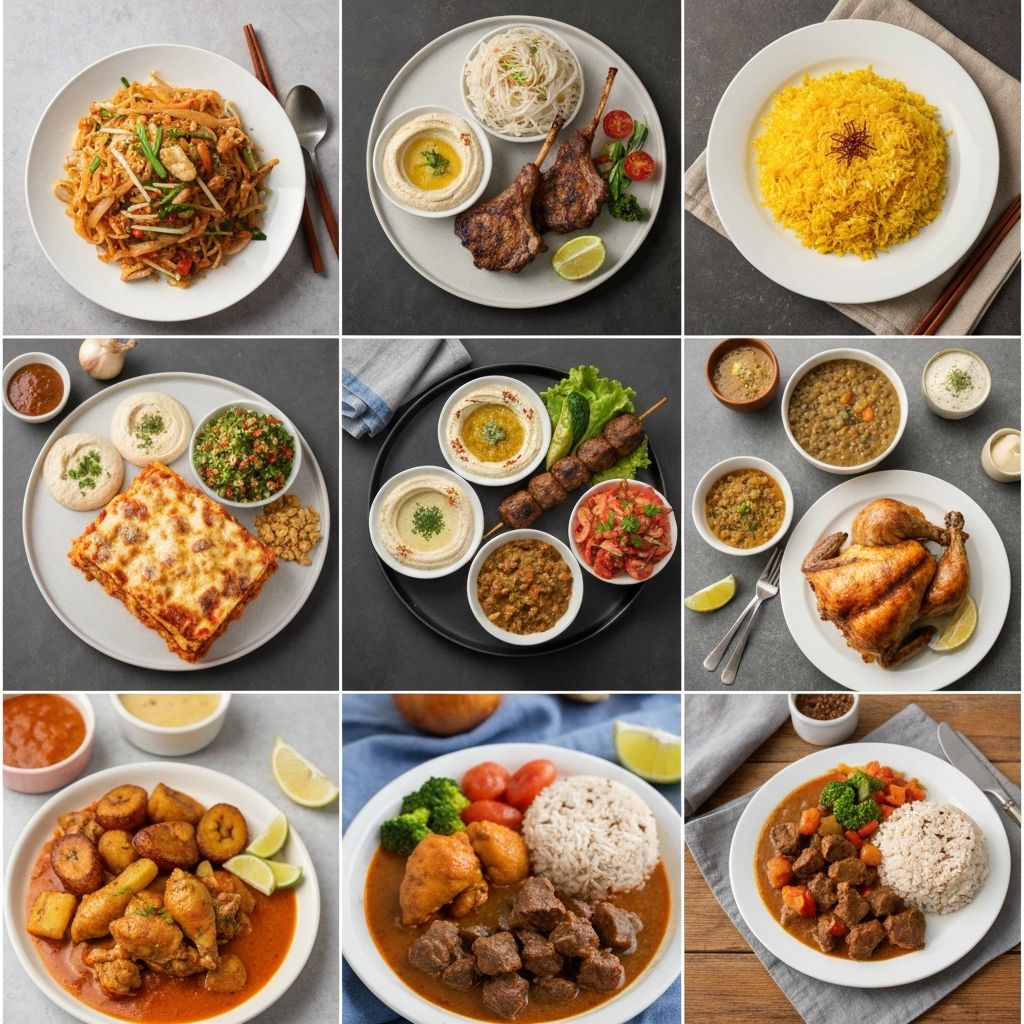
An educational exploration of how different cultures approach food and lifestyle
Explore FurtherCultural eating habits represent the diverse ways communities around the world approach food, meals, and nutrition. These practices are shaped by geography, history, religion, and social traditions.
This educational resource explores these differences from an informational perspective, without advocating for any particular approach or making recommendations about personal dietary choices.
Understanding cultural diversity in eating patterns helps us appreciate the rich tapestry of human food traditions and their role in daily life across different societies.
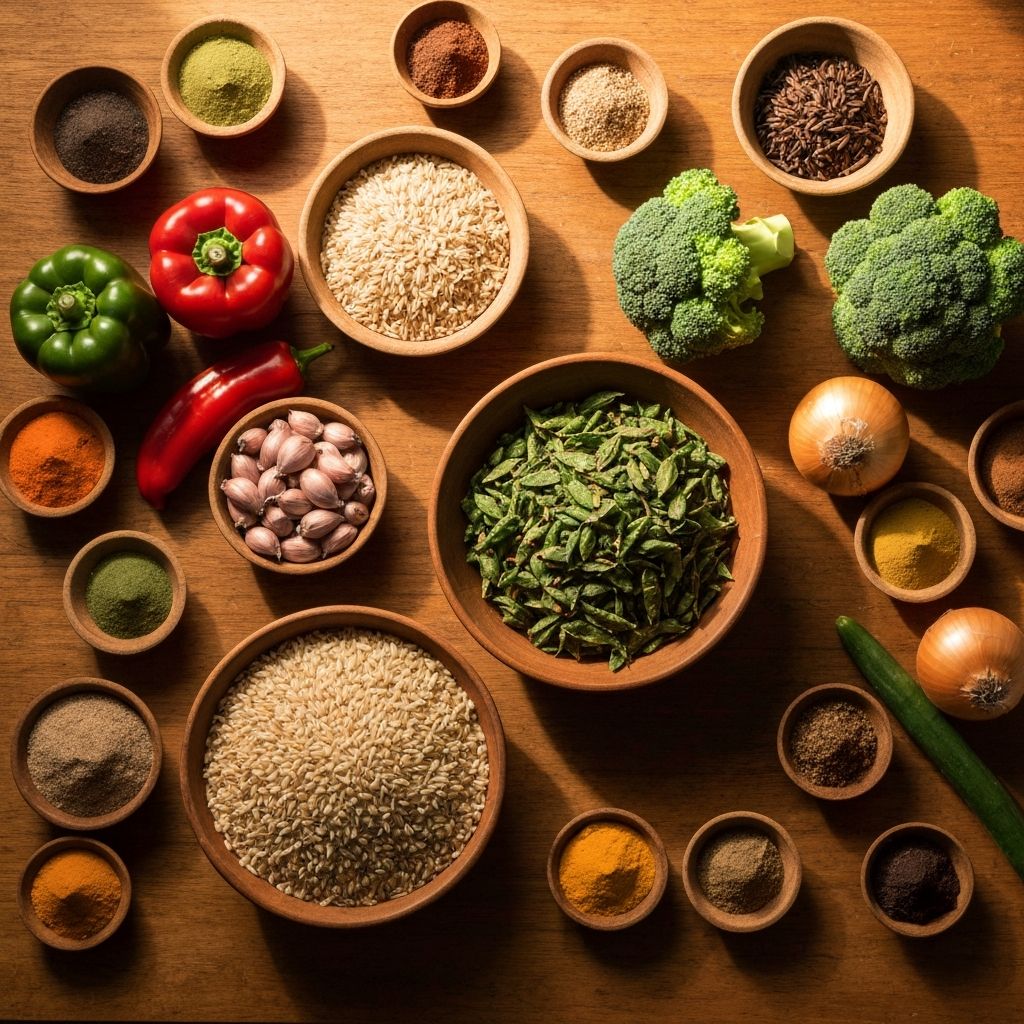
Across the globe, meal practices vary significantly. Some cultures emphasize communal dining experiences, while others focus on individual portions. The timing, frequency, and composition of meals differ based on cultural norms.
From Mediterranean patterns emphasizing vegetables and grains to Asian traditions incorporating rice and fermented foods, each culture has developed unique approaches over centuries.
These variations reflect adaptation to local environments, agricultural practices, and historical trade patterns. No single approach is inherently superior to another.
Cultural food traditions often influence daily schedules and routines. Some cultures structure their day around a substantial midday meal, while others emphasize evening gatherings.
These patterns affect not only eating times but also work schedules, family interactions, and social engagements. They represent integrated lifestyle systems rather than isolated dietary choices.
Food plays a central role in social bonding across cultures. Shared meals serve as opportunities for community building, celebration, and maintaining family ties.
The rituals surrounding food preparation and consumption vary widely but consistently serve important social functions within their respective cultural contexts.
Many misconceptions exist about cultural eating patterns. One common misunderstanding is that traditional diets are uniform within cultures, when in fact significant regional and individual variation exists.
Another misconception is that modern adaptations of traditional eating patterns diminish their cultural value. In reality, food cultures continuously evolve while maintaining core traditions.
It is also incorrect to assume that any cultural diet can be easily transplanted to different contexts without adaptation. Food traditions exist within specific cultural, geographic, and economic frameworks.
Exploring how geography and climate shape eating patterns across different regions of the world.
Learn MoreUnderstanding how cultural food traditions integrate with broader lifestyle patterns and daily routines.
Learn MoreExamining the relationship between meal timing, preparation methods, and daily life structures.
Learn MoreCultureBites is an educational resource that explains cultural eating habits and lifestyle choices across different cultures. We provide informational content only, without making personal recommendations or promoting specific products or services.
No. This website is purely educational and informational. We do not provide personal dietary advice, medical guidance, or recommendations. All content is for general knowledge purposes only.
We do not evaluate cultural practices as superior or inferior. Our content describes the diversity of eating patterns across cultures without judgment. Individual dietary choices depend on many personal factors.
Food traditions exist within specific cultural contexts. While learning about different cultures is valuable, we do not advise on implementing any particular practices. Personal decisions about eating should be made with consideration of individual circumstances.
The information on this website is provided for educational purposes only. It does not constitute personal advice or recommendations.
Cultural eating patterns vary widely within cultures and across individuals. The content presented here describes general patterns and should not be interpreted as prescriptive guidance.
This resource does not replace consultation with qualified professionals for personal dietary, health, or lifestyle decisions.
Discover more educational content about cultural food traditions and their role in different societies around the world.
Read in Detail